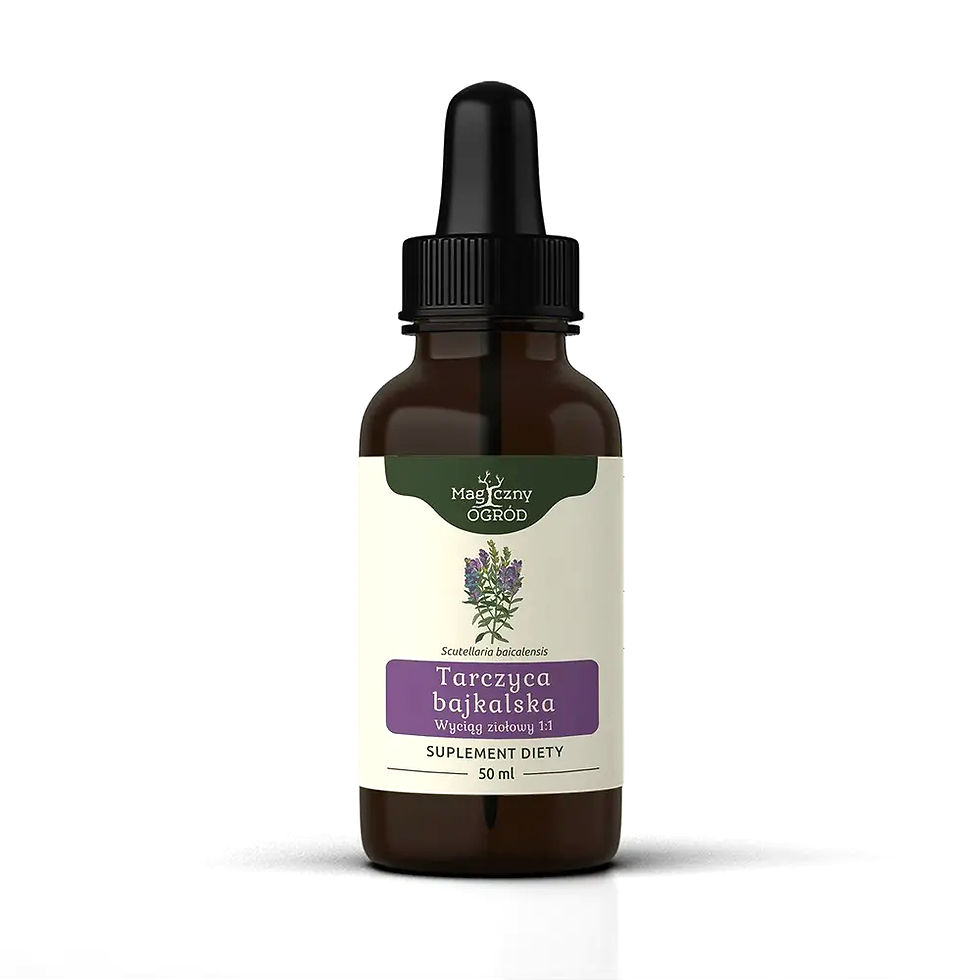
One of the main advantages of Chinese Skullcap is its strong anti-inflammatory and antioxidant profile. The root contains powerful flavonoids such as baicalin, baicalein, wogonin, and oroxylin A, which have been widely studied for their ability to calm inflammatory pathways, protect cells from oxidative stress, and support the body’s natural defence systems.
The herb is also traditionally used to support the respiratory system, especially when the body is dealing with heat, irritation, mucus, or infection. Its antimicrobial, antiviral, and immunomodulating properties make it a valuable herb for immune support, helping to support a balanced immune response rather than simply stimulating the immune system.
Apart from its immune and respiratory benefits, Chinese Skullcap is known for its calming effect on the nervous system. It may help support emotional balance, deeper rest, and a more settled inner state, especially when the body feels inflamed, overstimulated, or under stress.
Furthermore, this root is traditionally used to support liver function and detoxification. In Chinese medicine, it is often associated with clearing excess heat and helping the body restore internal balance.
Key Health Benefits:
- Anti-inflammatory
- Antioxidant Protection
- Antiviral & Antibacterial
- Immunomodulating Support
- Supports Respiratory Health
- Promotes Liver Health
- Supports Detoxification
- Calms Nervous System
- Supports Skin Health
- Helps With Allergic Response
- Protects Cellular Health
- Neuroprotective Support
- Traditional Heat-Clearing Herb